

Liver cancer and prostate cancer are two different diseases, and the first questions a care team asks are not the same. This article is an informational guide to how treatment options, including radiotherapy, are usually compared. It does not recommend a hospital, a doctor, or any one treatment as automatically preferred, and it does not promise an outcome.
What liver cancer usually means
The form most patient guides mean by primary liver cancer is hepatocellular carcinoma, a cancer that starts in liver cells. This liver cancer overview for patients notes that chronic hepatitis B and hepatitis C are leading causes, alongside cirrhosis from any cause and non-alcoholic fatty liver disease that has already progressed to cirrhosis. The World Health Organization’s hepatitis B fact sheet, updated 28 July 2026, states that hepatitis B can cause a chronic infection and puts people at high risk of death from cirrhosis and hepatocellular carcinoma (primary liver cancer). WHO also describes hepatitis B vaccines as safe, available and effective. For people already living with hepatitis or cirrhosis, centres often discuss regular ultrasound and blood tests such as alpha-fetoprotein, rather than a general population screening programme.
What prostate cancer is, and why monitoring may come first
Prostate cancer is a malignant tumour that starts in the prostate gland, which sits in the male reproductive system and produces seminal fluid. Diagnosis is typically built from a prostate-specific antigen (PSA) blood test, a digital rectal exam, and, when needed, a biopsy. Unlike many liver cancers, some prostate cancers grow slowly. The NHS page on treatment for prostate cancer explains that the disease does not always need immediate treatment. If the cancer is small and is not causing symptoms, a care team may suggest monitoring first, either as watchful waiting with regular check-ups and blood tests, or as active surveillance with regular hospital tests and scans. That choice exists because treatments can cause lasting side effects, not because every prostate cancer is harmless. This prostate cancer education page can help patients see how those first decisions are usually framed.
Options often compared for liver cancer
Which treatments are discussed depends on the stage, the size and number of tumours, and how well the rest of the liver is working. One Malaysian centre lists options that patients may be asked to compare: hepatectomy (removing the affected part of the liver), radiofrequency ablation performed by an interventional radiologist, liver transplantation for some people with small tumours who are not suited to resection, transarterial chemoembolisation (TACE), and systemic treatments such as chemotherapy, targeted therapy or immunotherapy. Radiotherapy is also listed among those options, though it is not always the first method discussed. None of these is a default for every stage. When cancer has spread beyond the liver, teams often turn to systemic medicines and supportive care rather than surgery. A care team should explain the goal of each option in the individual case, whether that is to remove disease, to control it, or to ease symptoms.
Where radiotherapy sits in the discussion
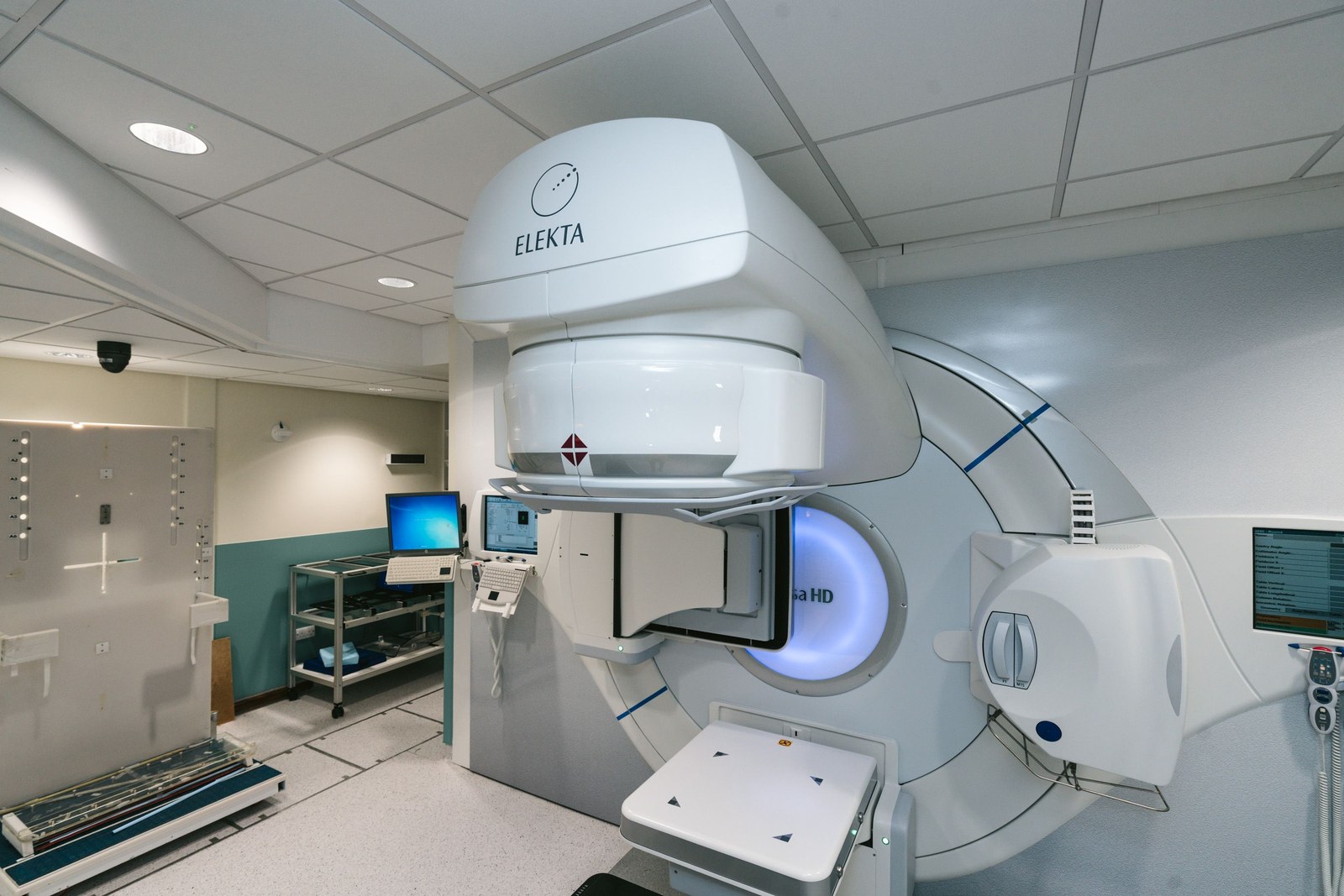
Radiotherapy, also called radiation therapy, uses X-rays or other high-energy radiation to damage cancer cells so they cannot keep multiplying. An explainer on how radiotherapy is planned describes it as a treatment that can stand alone, be given before or after surgery, or be combined with chemotherapy, and that can also be used to reduce pain or other symptoms when disease cannot be removed. The same page lists techniques such as intensity-modulated radiation therapy (IMRT), image-guided radiation therapy (IGRT), stereotactic body radiation therapy, and high dose rate brachytherapy. Suitability still depends on the tumour’s type, size and location, and on the person’s general health. For many men with prostate cancer, the NHS lists radiotherapy alongside surgery and hormone therapy as a main treatment, including for cancer that has not spread very far and, in some cases, to slow disease or ease symptoms if it has spread. For liver cancer, radiotherapy may be discussed among other local or systemic options, rather than as the routine first choice.
A short Cancer Research UK explainer on how radiotherapy damages cancer cell DNA, why nearby healthy cells can also be affected, and how newer techniques aim to make treatment more precise.
Questions worth taking into the clinic
Useful questions are practical. What is the goal of each option on the table? Which side effects are common, and which could last? How many visits would a course of radiotherapy involve? For liver disease, how much healthy liver function remains? For prostate disease, is monitoring still reasonable, and what would trigger a change of plan? Bring a written list, and ask the team to explain any term you do not recognise. Educational pages can help you prepare. They do not replace a consultation with the clinicians who have your test results.